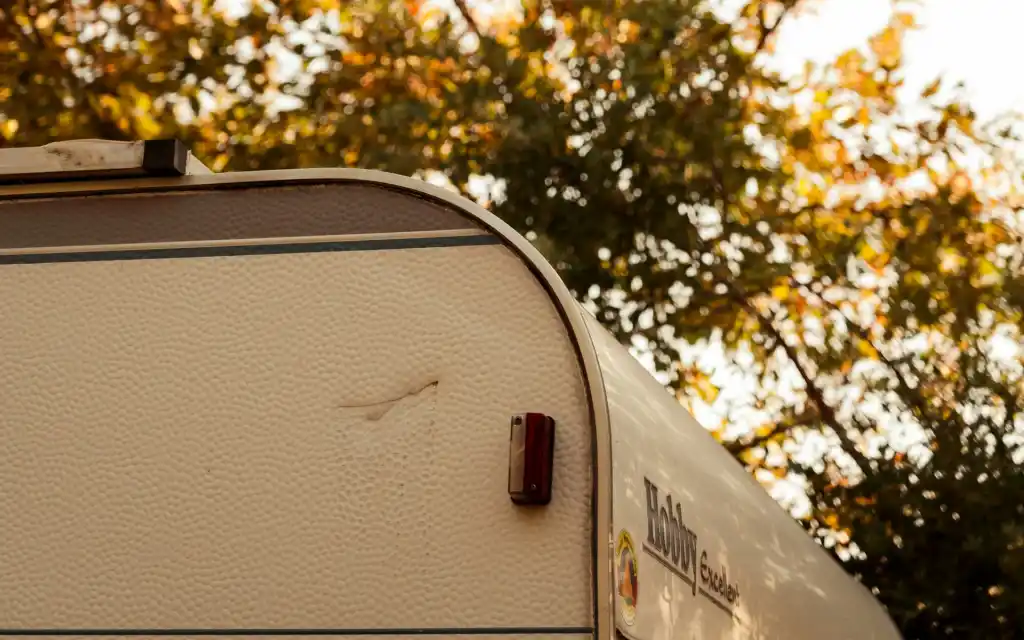
Winter storage is about more than finding somewhere to park. Water needs draining, moisture needs a way out and equipment needs checking. Most of it can be done at an unhurried pace – ideally while the autumn days are still mild.
Here we cover the essentials before the winter break. Keep the vehicle handbook handy – how you look after the water system, batteries and heating depends on the equipment you have.
Start with the storage space
Under cover, in a storage building or outdoors? Consider the options available to you, but also how often you can arrange for someone to check on the vehicle over winter.
Indoor storage protects against rain, snow and wind. Check whether the building is heated or unheated, how it is ventilated and what rules apply to LPG, batteries and charging. An unheated building is not automatically frost-free.
Storage under cover offers protection from much of the weather, but the vehicle still needs preparing for cold and damp.
Outdoor storage makes the choice of spot and regular checks more important. Choose firm, well-drained ground and try to avoid places where branches could fall or water collects.
Leaving your motorhome or caravan with a storage provider? Ask what is actually included: checks on the vehicle, access to electricity, whether you can collect belongings and when you can take the vehicle out again. Also check with your insurer what cover and requirements apply while it is in storage.
Wash, dry and look for small problems
Start outside. Wash away dirt and leaves, then check the roof, joints, windows and rooflights. Follow the manufacturer's cleaning guidance and take care around seals and ventilation openings.
If there are cracks, damaged seals or signs of leaks, it is better to investigate now than after a whole winter. Musty smells, discolouration or soft areas should be taken seriously.
Let the vehicle dry thoroughly before putting it away. An awning that is still damp also needs to dry completely before it is packed up.
Give the water system a little extra time
Draining the fresh water tank is only the beginning. Water can remain in pipes, the pump, filters, taps and the water heater. Work through the system's draining instructions step by step, and remember the shower and any outdoor shower. Empty and clean the waste water tank and toilet too.
Check what position the taps and valves should be left in afterwards. If you have a wet heating system, you need to distinguish between the fresh water in the water heater and the glycol fluid in the heating circuit. The fresh water must be drained before unheated storage. The glycol circuit, however, must not be drained along with the water system; maintain it according to the heating system's instructions instead.
Storing the vehicle in a heated building? Ask what happens if the heating fails before relying on the space staying frost-free all winter.
Take out anything that does not need to stay for winter
Empty the fridge, food cupboards and rubbish compartments. Crumbs in a drawer or an open packet in an overhead cupboard are easy to miss.
Clean the fridge, wipe it dry and leave the door in the ventilation position recommended by the manufacturer. Consider taking bedding, towels and other textiles home so they do not become damp.
Make sure air can circulate around mattresses and cushions. Do not block the vehicle's permanent ventilation. A moisture absorber can help, but it is no substitute for ventilation or repairing a leak.
Take the opportunity to clear storage compartments of wet hoses, muddy tent pegs and anything else that would benefit from being cleaned and dried at home.
Look after the batteries
Even when the vehicle is parked, alarms, trackers and other electronics can draw power. Decide how you will maintain the batteries over winter before you lock up.
The right charge level and any maintenance charging depend on the battery type. Follow the battery manufacturer's advice and use a suitable charger.
With lithium batteries, it is especially important to check the permitted charging temperature. Do not assume charging is fine simply because the temperature is above freezing – some batteries require several degrees above zero.
Thinking of disconnecting the battery? First check whether this would stop the alarm or tracker working, and what that means for your insurance.
Park securely and check the tyres
Choose firm ground, check the tyres and adjust their pressure according to the vehicle's instructions. The handbook also contains advice on long-term parking, the parking brake and wheel chocks.
Steady legs are not necessarily designed to lift the vehicle or take its weight. Use them only as intended.
Turn off the LPG
Switch off LPG appliances and close the cylinder valves. If you are renting a storage space, also check whether the cylinders may stay in the vehicle.
If the cylinders need to be removed, arrange a permitted, ventilated storage space. In Sweden, the rules differ between houses and blocks of flats. Do not put them in a shared garage or storeroom, and check the relevant authority's advice for your type of home before taking them back with you.
Sort out storage before the drop-off day, so you are not left holding the cylinders with nowhere to put them.
To cover or not to cover?
A cover can protect against dirt, rain and snow, but it needs to be designed for a motorhome or caravan and fit the vehicle. It should sit securely without rubbing against surfaces or obstructing essential ventilation.
Avoid improvising with a non-breathable tarpaulin directly against the bodywork. Check the manufacturer's advice before covering the vehicle – particularly if it has solar panels or other roof-mounted equipment.
Check on the vehicle during winter
By all means lock up for the season, but arrange regular checks and a visit after severe weather.
Look for damp, signs of leaks and pests. Check that any cover is still in place and not rubbing, and maintain the batteries according to your chosen plan.
Check the roof after heavy snowfall too. Follow the vehicle's instructions and use a gentle tool if snow needs removing. Take care not to damage the roof, rooflights or other equipment, and keep ventilation openings clear of snow. Do not climb onto the roof unless you know it is designed for that.
Make a note of anything that needs attention. It is nicer to book a workshop appointment in good time than to discover a problem when you are already packed for the first trip of spring.
Checklist before you lock up
- Storage, insurance and any checks on the vehicle are arranged.
- The vehicle is clean, dry and checked for visible damage.
- The water system, tanks and toilet are prepared for winter according to their instructions.
- The fridge and food cupboards are empty and clean.
- Textiles and camping equipment are dry.
- Ventilation is unobstructed.
- Batteries and any charging arrangements are prepared for storage.
- Tyres and parking arrangements are checked.
- LPG appliances are switched off and cylinder valves are closed.
- Valuables are removed and the vehicle is locked as required by the insurance policy.
Ready when the urge to travel returns
Once the vehicle is clean, dry and prepared for the cold, it can rest until next season. A little care now makes getting going in spring easier.
And when it is time to open the door again? There will be new stops, morning coffee on the doorstep and evenings with no need to rush.